In the ongoing legal battle over the abortion pill, Louisiana v. FDA has emerged as an important challenge to the federal government’s removal of longstanding safety requirements for mifepristone. The case, currently before the U.S. Court of Appeals for the Fifth Circuit, challenges the FDA’s 2023 decision to eliminate the requirement that abortion drugs be dispensed in person.
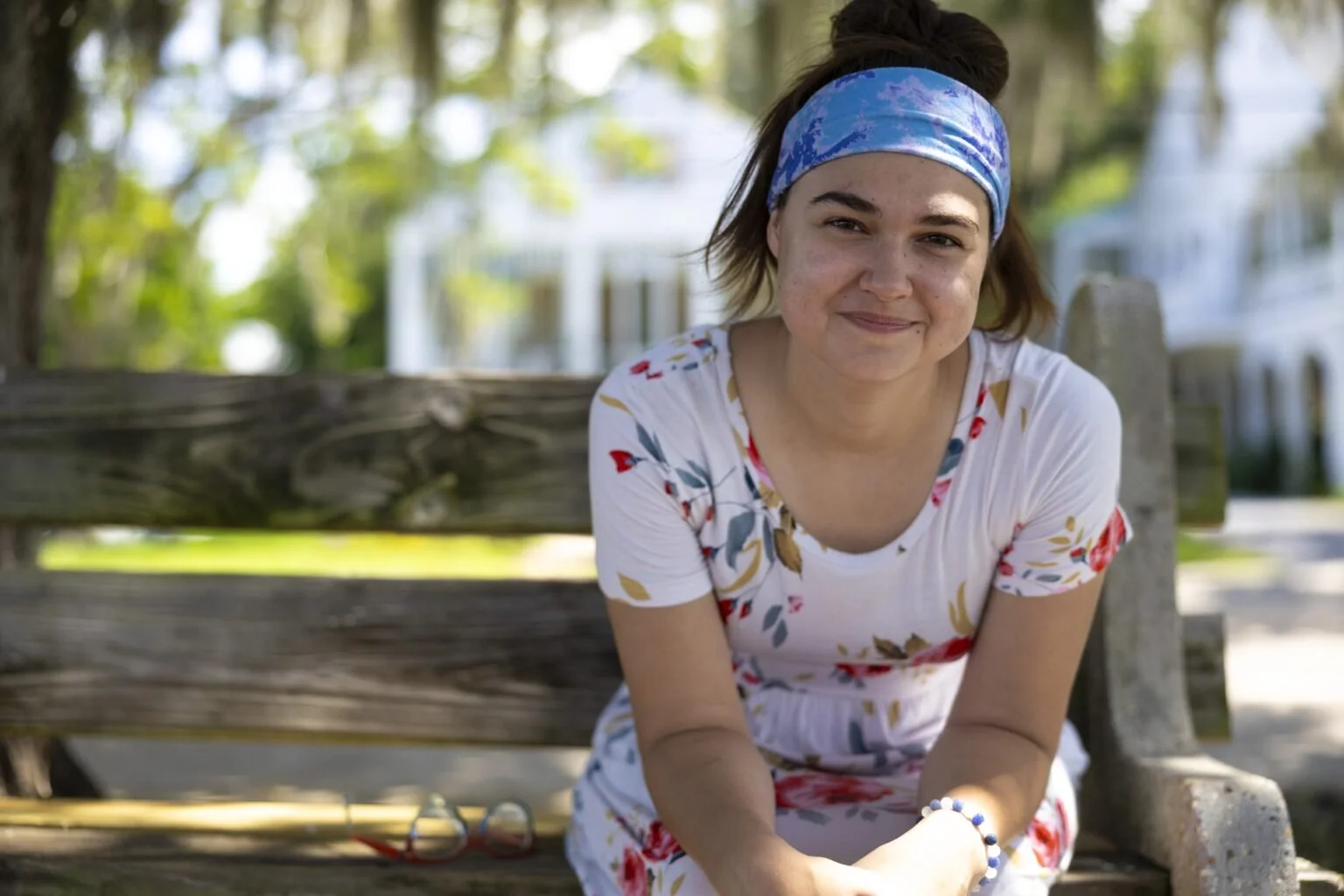
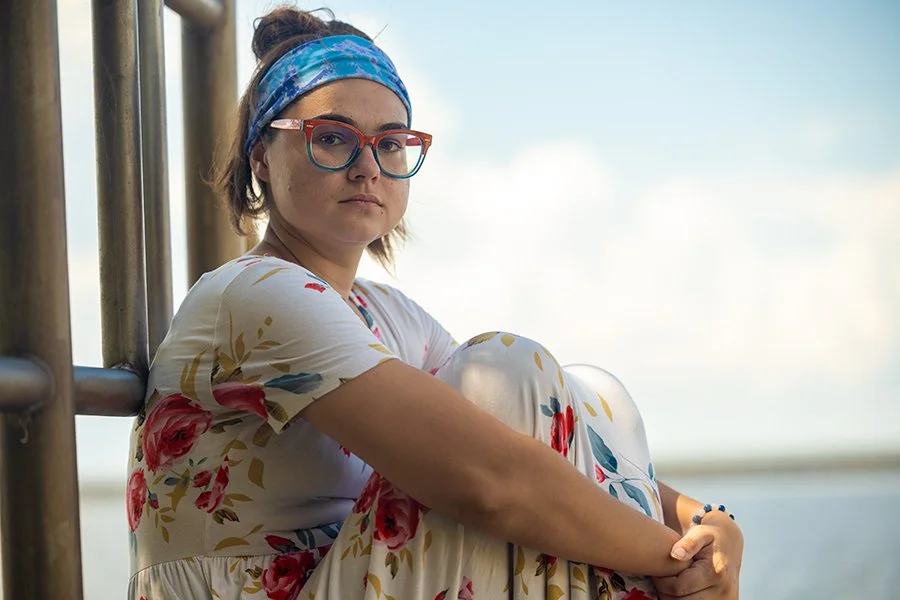
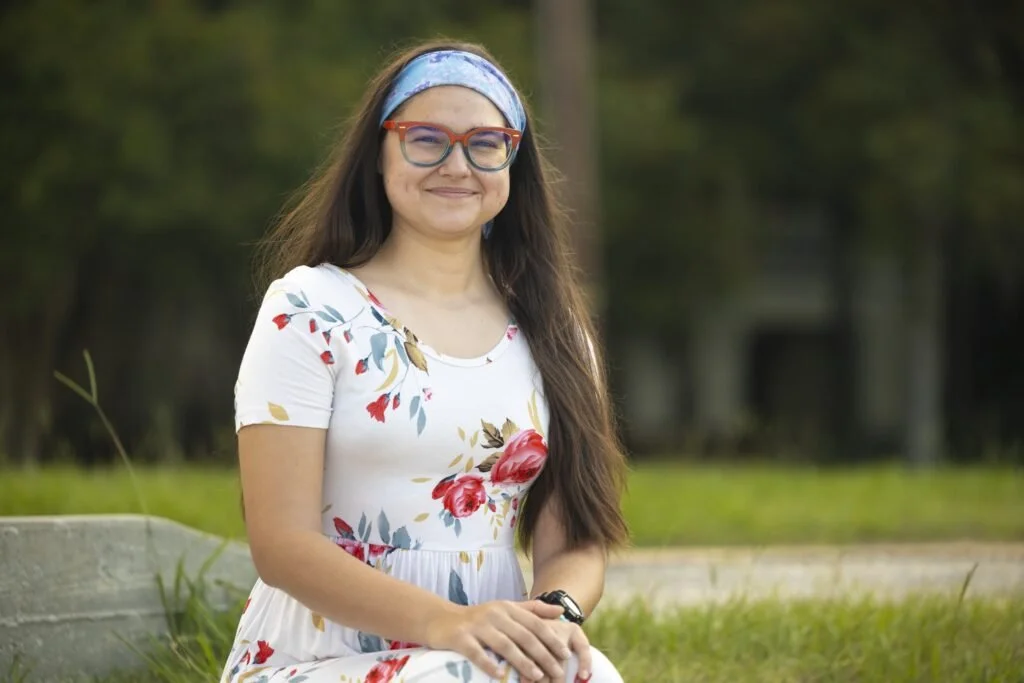
One of the plaintiffs is Rosalie Markezich, a young Louisiana woman whose heartbreaking experience reveals the real human consequences of allowing abortion drugs to be ordered online and delivered through the mail without in-person medical contact.
Alliance Defending Freedom
Her story is not simply about the dangers of an abortion drug. It is about a young mother who wanted her child, a boyfriend who wanted otherwise, and a flawed system that allowed him to obtain the drugs he would ultimately coerce her into taking.
Unexpected Joy
On October 13, 2023, Rosalie discovered she was pregnant. She was 22 years old, working as a daycare teacher, and had only been dating her boyfriend for two months. Although the pregnancy was unexpected, her reaction was unmistakable.
When she saw the positive pregnancy test, she smiled.
Despite her financial concerns, Rosalie wanted to keep her baby. She eventually told her boyfriend, who initially responded with excitement.
But his enthusiasm quickly disappeared.
He told Rosalie that he no longer wanted the baby. His sister, who had ordered abortion drugs multiple times, knew how to obtain them online. Now he wanted Rosalie to take them.
Using Rosalie’s personal email and mailing address, her boyfriend completed an online form to obtain mifepristone and misoprostol from a California provider.
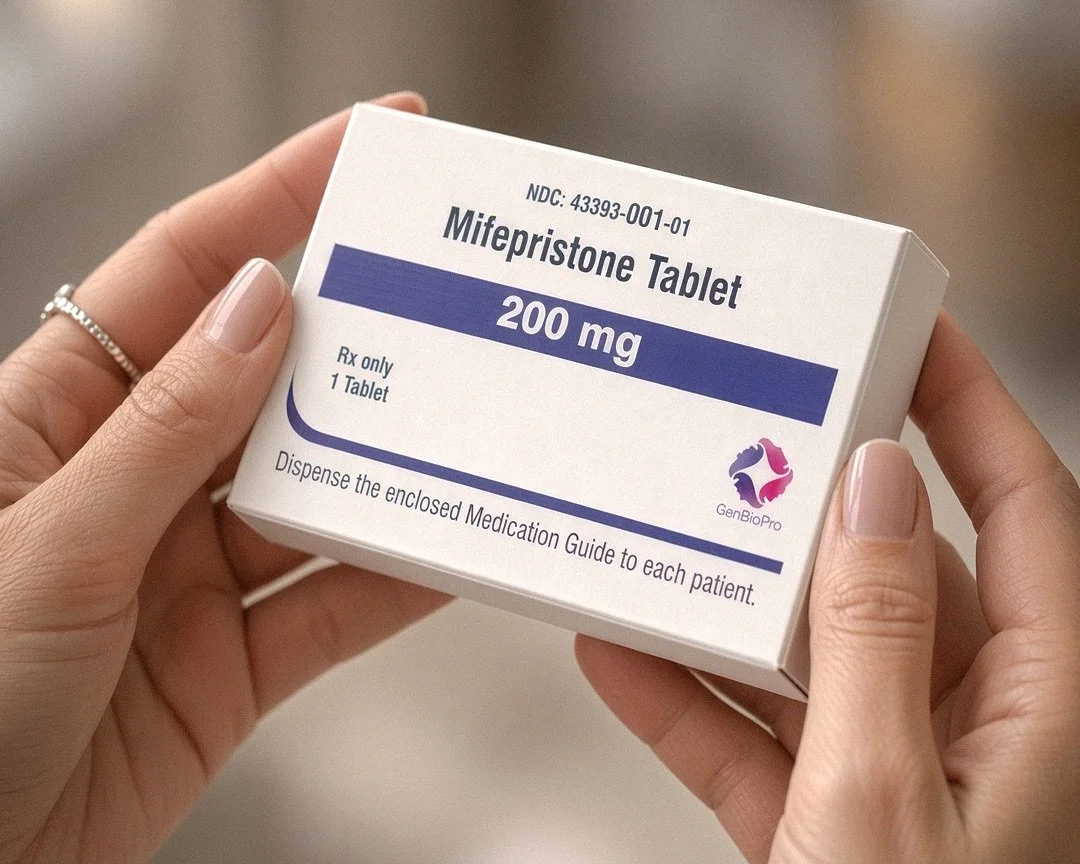
A few days later, the abortion drugs arrived at her Louisiana home through the U.S. Postal Service.
The California doctor had never spoken with Rosalie. No one had privately examined her or asked whether she actually wanted an abortion.
“Don’t Make Me Do This”
When Rosalie next saw her boyfriend, she pretended she had already taken the pills. He did not believe her.
The two went for a drive, and her boyfriend insisted that having a child would ruin his life. Rosalie stood firm, even offering to raise the baby with her mother in Michigan.
He rejected that option.
Rosalie warned him that going through with an abortion would change her forever. She pleaded with him:
“Don’t make me do this.”
Her boyfriend became angry, abruptly pulled into a parking lot, and began shouting at her.
Rosalie knew he had anger issues and a criminal record. Having previously experienced domestic abuse, she recognized the warning signs. Her roommates did not know where she was, and she feared what might happen if she continued resisting.
Rosalie was not choosing an abortion. She was trying to protect herself from a man she feared.
Alliance Defending Freedom
Terrified, she finally agreed to take the drugs to calm him down. But she had a desperate plan: she would swallow the pills in front of him and then try to vomit them up before they could take effect.
At his house, her boyfriend watched as she swallowed both drugs. She hoped that taking both of them together might somehow prevent them from working.
As he began driving her home, Rosalie suffered a panic attack, and she shook violently. She feared she would not be able to save her baby.
He turned the car around and returned to his house. Rosalie rushed into the bathroom and tried to vomit up the abortion drugs, but her attempt was unsuccessful. Within ten minutes, she began bleeding. For approximately an hour, she lay on the bathroom floor, crying as she lost the child she had desperately wanted to keep. Unable to face her boyfriend, she retreated to the garage.
There, she spent the night lying on a blood-soaked towel.
The next morning her boyfriend was still angry. Rosalie eventually climbed into bed and continued bleeding heavily for approximately a week.
The Child She Never Held
The physical ordeal eventually ended, but Rosalie’s grief did not.
When she returned to work at the daycare on Monday, she found herself surrounded by one-year-old children. She loved caring for them, but the experience had become almost unbearable.
She had imagined holding her own child someday. Now she was grieving the loss of that future.
In her sworn declaration, she describes ongoing anxiety, depression, and fear stemming from the experience. She sought psychiatric treatment and medication to help manage the trauma. Her relationships with friends and roommates also suffered as she struggled to heal.
But Rosalie ultimately found the help she needed through a pro-life counselor who pointed her to God and provided support and encouragement. She credits that support with helping her “glue” her heart back together.
Alliance Defending Freedom
Rather than remaining silent, Rosalie decided to tell her story publicly. Her motivation is deeply personal. She wants other women to have the help and protection she desperately needed.
Shielded From Prosecution
The California doctor who supplied the abortion drugs was Remy Coeytaux. He had authorized the shipment to Rosalie’s home without ever speaking to her or confirming that she wanted an abortion.
Coeytaux was subsequently charged in Louisiana for mailing the abortion drugs used against Rosalie’s wishes. But when Louisiana sought his extradition to face prosecution, California Governor Gavin Newsom refused, invoking the state’s abortion shield laws.
And when Louisiana Attorney General Liz Murrill challenged that refusal, Newsom publicly responded, “Go **** yourself.” (censored)
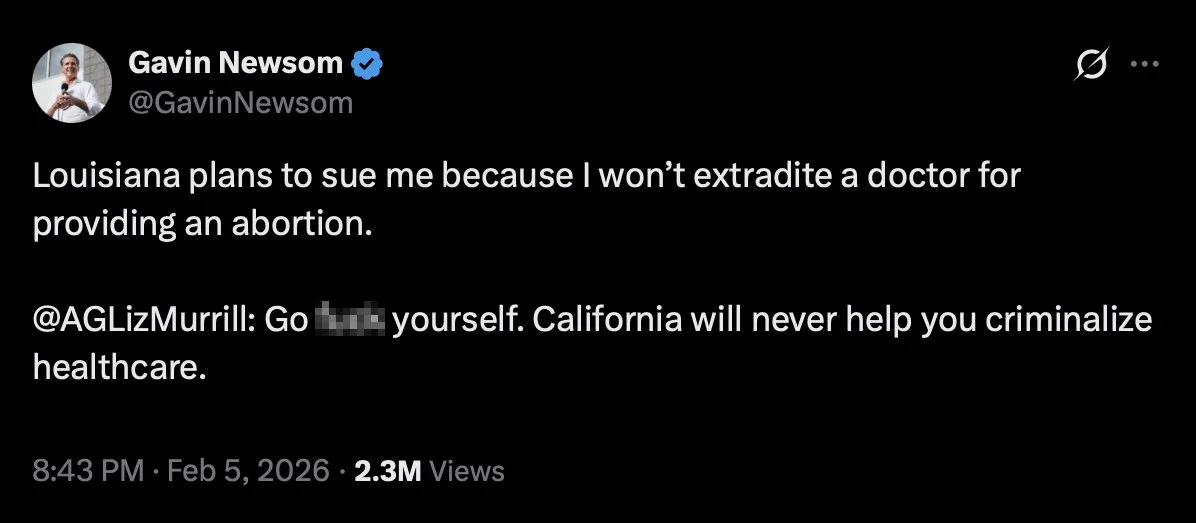
Those were the governor’s heartless words in response to a case involving a young woman who begged not to lose her baby. Rosalie was left to endure the physical and emotional devastation, while the doctor who supplied the drugs remains beyond the reach of Louisiana prosecutors.
The Safeguard That Was Missing
Rosalie’s experience raises a devastating question: How could a man obtain abortion drugs in a woman’s name, pressure her into taking them, and end her pregnancy without the prescribing doctor ever speaking to her?
The FDA’s 2023 regulatory changes removed the longstanding requirement that mifepristone be dispensed in person, allowing prescriptions to be filled through the mail.

The lawsuit argues that removing this safeguard exposes women to coercion, abuse, and serious medical risks while allowing abortion drugs to cross state lines into states where abortion is prohibited.
Rosalie believes an in-person appointment would have changed everything. She could have told a doctor that she did not want an abortion and that she wanted to keep her baby.
Her case illustrates a danger that cannot be measured by statistics about drug complications alone. The danger is also that a powerful abortion drug can be placed in the hands of an abuser and used to end a pregnancy against a woman’s will.
Behind this federal lawsuit and the California governor’s vulgar social media is a young woman who smiled when she discovered she was pregnant, pleaded for her child’s life, and spent a horrifying night bleeding on a garage floor.
Her testimony demands attention—not only because of what happened to her, but because of what it reveals about the protections that were missing.
PRAYER POINTS
Pray for Rosalie’s tragic story to pierce the heart of American culture and bring us to our knees in repentance.
Pray that the testimony of women hurt by the abortion pill will subpoena the conscience of the nation.
Pray for victory in the federal case Louisiana v. FDA.
Pray for mail-order abortion drugs to stop.
Pray for state abortion shield laws to end.