
His Film Was Presented to the Supreme Court in the Texas Case—Now Kermit Gosnell Documentary Director Speaks Out
During oral arguments on March 2 at the Supreme Court in the Texas case Whole Woman’s Health v. Hellerstedt, Justice Ruth Bader Ginsburg asked an important question: “What was the problem the legislature was responding to?”
The answer, in short, is that thousands of women in Texas have been harmed by the abortion industry.
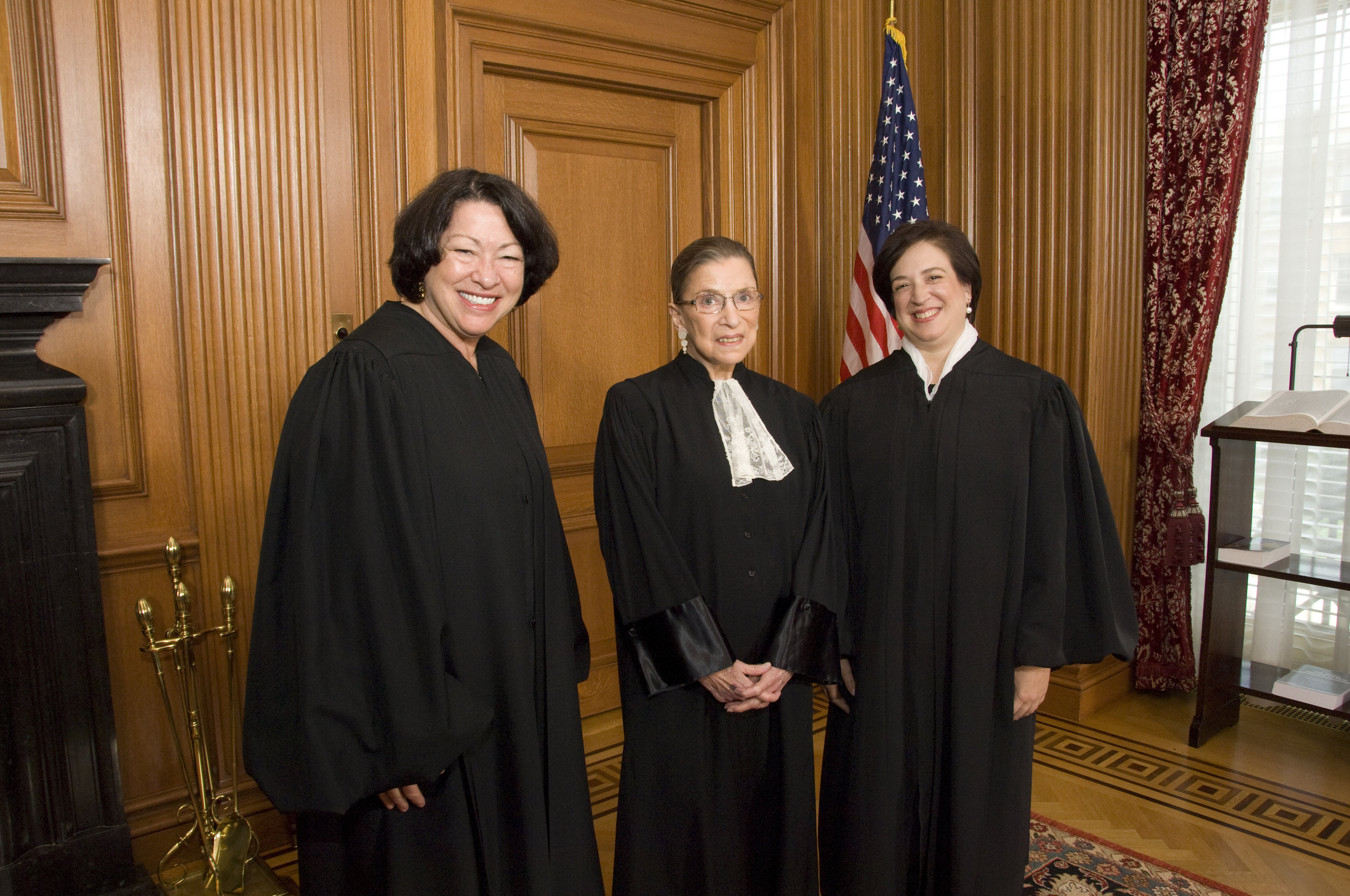
Supreme Court Justices Sonia Sotomayor, Ruth Bader Ginsburg and Elena Kagan (Photo: Steve Petteway /Wikimedia)
Mainstream media only took notice of this industry due to an unscrupulous abortion center owner in Pennsylvania: Kermit Gosnell, now serving a life sentence for involuntary manslaughter of a woman seeking an abortion at his clinic and first-degree murder of three infants born alive (among other criminal charges).
Filmmaker David Altrogge and his team tell the complete horrific story in 3801 Lancaster: American Tragedy—a documentary that surprisingly features the voice of Kermit Gosnell in a leading role. Recorded from his prison cell, Gosnell gave the filmmakers unusual access when they sought out why he maintains his innocence.
Justice demands that we refuse to look away from the truth. In fact, the film makes such a compelling presentation that one Texas-based legal group used a summary and stills from 3801 Lancaster in an amicus brief filed in the Texas case. Altrogge, currently based in Austin, Texas, gives behind-the-scenes insights in our phone interview.
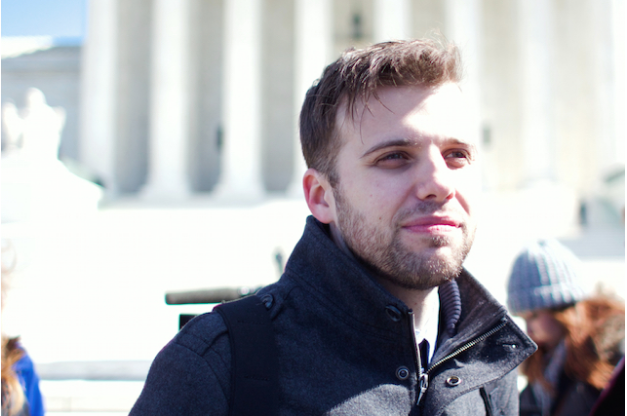
David Altrogge, director of 3801 Lancaster: American Tragedy, at the Supreme Court on March 2 (Photo: Josh Shepherd)
Bound4LIFE: How did you first hear about the criminal case against Dr. Kermit Gosnell?
David Altrogge: The story of this film on the Gosnell case really started in 2011. I was in a coffee shop in Pittsburgh, sat down and picked up a newspaper. I saw this tiny little column about the Gosnell case, how the grand jury report had just been released.
I was shocked and horrified; I couldn’t believe what I was reading. How does something like this happen in my home state of Pennsylvania?
A couple days later, I get a call from a buddy of mine who lives in Harrisburg. He said, “I don’t know if you’ve heard about this Gosnell case that just broke, but the Philadelphia district attorney Seth Williams is going to be testifying before the State Senate here in Pennsylvania and they’re going to allow the press in. This is pretty unprecedented. I know you’re a filmmaker; you might want to think about coming.”
So my director of photography and I hopped in the car, and drove to Harrisburg to film the hearing. We were just staggered by what was presented; we walked out of there realizing we had to make a film about this.
Bound4LIFE: The film includes a key quote from the District Attorney’s office, that “There’s more oversight in women’s hair salons than abortion clinics in the Commonwealth of Pennsylvania.” Why do you think abortion has become such a difficult issue to discuss in American society?
David Altrogge: I think that gets to the heart of the film. One of the main reasons we wanted to make 3801 Lancaster is we wanted to spark conversation between people on both sides of the issue.
In effect it says: “Look at this case, here’s the facts of it. Here’s the Grand Jury report, here’s what the police officer said, here’s what Gosnell himself has said. Now why did this happen? What is it about our laws in the state of Pennsylvania and in the country as a whole that allows something like this to happen?”
I think abortion has become such a politicized issue that we forget there are real people at the center of this issue. Real women and real babies—we forget they’re real people. And we just start shouting and screaming. One of my hopes for this film is that it inspires dialogue between people on both sides, pro-life and pro-choice.
Because I think if we keep shouting, if we keep just screaming at each other, there’s not going to be any progress made on this issue.
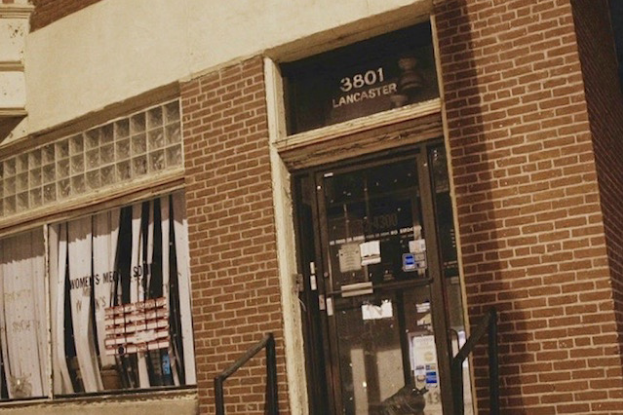
Photo: 3801 Lancaster Film Project
Bound4LIFE: Your film captures Kermit Gosnell in his own words. How did your relationship with him come about?
David Altrogge: We actually had a version of the film totally finished in 2014 that didn’t have him in it. We were ready to release it, and then at the 11th hour my producer said, “Let’s write to Kermit Gosnell. We know we won’t hear back from him, but we’ll write to him to see if he has any interest.” Then we just went on with business as usual.
But a couple months later, I received a letter from Kermit Gosnell in prison. I remember opening it and my heart was pounding. He said he would be interested in talking about being in the film and sharing his side of the story. That letter led us to almost a year of just getting to know Dr. Gosnell, building a relationship with him.
We exchanged a lot of letters and phone calls. My producer and I went and visited him twice in prison. I think we really had to show him that we weren’t trying to make a film with an agenda before we could finally start rolling tape on that interview. We were just trying to tell the story.
We conducted interviews with him from February to September 2015. That was such an interesting process, the longest interview I’ve ever done. Then we were also able to interview his family. When his family found out we were making the film, they wanted to add their voices and share their perspectives on the case.
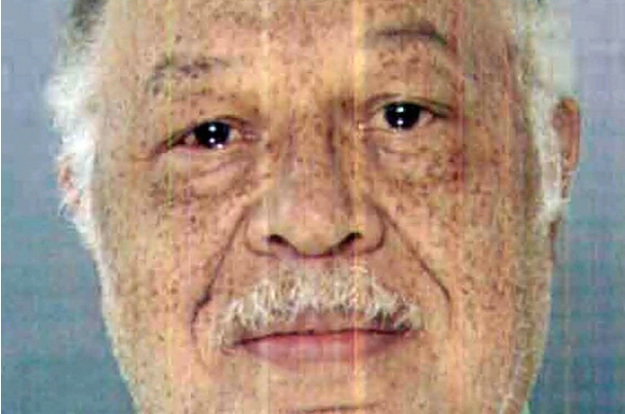
Currently serving a life sentence, Kermit Gosnell was recorded in prison for the film (Photo: 3801 Lancaster)
Bound4LIFE: Kermit Gosnell speaks in the film about preventing “children from growing up in poverty” to justify his abortion practices. How do you respond to these claims?
David Altrogge: For me, those claims are some of the most troubling ones that he makes. And I hear those claims often made by other people as a defense of abortion.
It’s troubling to me because it puts such a limit on people’s potential. Do we look at certain people and say, These are your circumstances; you’re born in poverty. You will never rise above that, so I’m going to be kind and end your life.
Somehow it’s kinder to prevent a person from living, than to give them a chance at living and rising above their circumstances? Is that really how we as a society view compassion? That sort of thinking terrifies me.
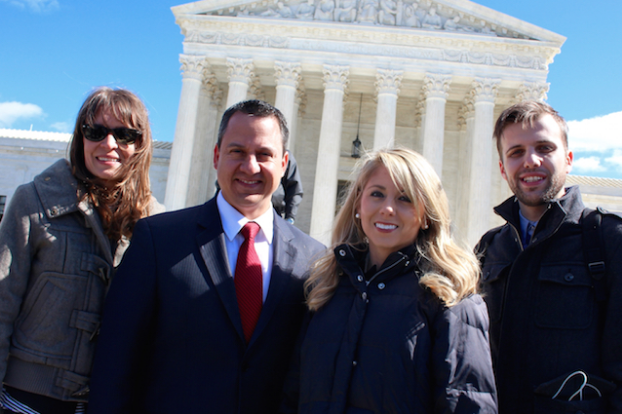
3801 Lancaster producer Jen Brown (L), Texas Values President Jonathan Saenz, Nicole Hudgens of Texas Values and 3801 Lancaster director David Altrogge outside the U.S. Supreme Court (Photo Courtesy of Jen Brown)
Bound4LIFE: 3801 Lancaster concludes noting how some states have enacted regulations to protect women from the unsafe conditions found at Gosnell’s abortion clinic. What is your perspective on the Supreme Court battle gearing up around the Texas case?
David Altrogge: If the Gosnell case proved anything to me in making this film, it is that: when people choose to turn a blind eye to what’s going on, real people die.
Real people were hurt—real women and babies lost their lives—because the Pennsylvania Department of State and the Department of Health chose to look the other way. Whether you’re pro-life or pro-choice, can’t we at least agree that women deserve better?
If you read the Grand Jury report, the reason they chose not to inspect clinics is because they were afraid that they were going to impede women’s access to abortion. So they chose not to regulate the clinics, and Gosnell operated outside the law. As a result, women died, women were maimed, and babies died.
Whatever happens with laws like the one in Texas, which abortion providers are challenging at the Supreme Court, it’s going to affect real women and real babies. These aren’t abstract laws; women’s safety is in the balance. That’s why I support the law in Texas.
After the film was completed and early screenings began, we were approached by the public interest legal group Texas Values—who wanted to include some of the film’s evidence in an amicus brief to the U.S. Supreme Court. Quotes and even still images from our film are included in the brief, which we hope the justices examine.
What a scene it was outside the court last week. Later I learned that Kermit Gosnell’s name was mentioned seven times during oral arguments inside; this story is very relevant right now.
We’re excited to be to working with Texas Values to raise awareness and start many conversations across America using 3801 Lancaster: American Tragedy as a springboard.
Visit 3801Lancaster.com for details on film screenings currently planned in cities nationwide. In Part 2 of our interview coming soon, learn why the film also delves into Planned Parenthood abortion practices—and their plans for a nationwide release.
About Terri Shepherd
For over a decade, Terri Shepherd has taken part in pro-life advocacy with Bound4LIFE — a grassroots movement to pray for the ending of abortion. She graduated from TheCall Institute at the International House of Prayer University in Kansas City, and earned a degree in social work from the University of Central Florida. Living in the Washington, DC area with her husband, Terri works at a leading Christian public policy organization.
When Silence Becomes Lethal
Some months ago, I was counseling with a young woman suffering from emotional turmoil over a previous abortion. While we talked, I asked about her parents, whom she said had divorced when she was very young.
Raised by her mother, a career woman and staunchly pro-choice, she encouraged her daughter to abort once she learned she was pregnant.
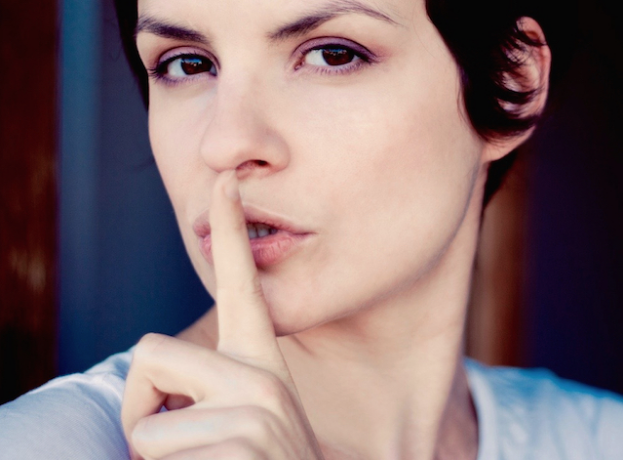
Photo for illustration: Daniela Vladimirova / Flickr
I asked if she had ever told anyone she had had an abortion, to which she replied, “Only my mother knew, and she told me right after the abortion never to tell anyone.” Being a loving and obedient daughter, she did just that … never telling a soul. Now 13 years later, two husbands and three psychotherapists later, this young woman sat before me an emotional wreck. That’s when silence becomes lethal.
Silence is a killer. Ask any counselor and they will confirm it. Silence inhibits a person seeing and learning the truth about themselves and their interactions in society. We humans were created as emotional creatures with the need for human interaction, which is vital to process our feelings and thought processes. Remaining silent stifles that basic need.
As a lay counselor in post-abortion ministry in North Texas, I witness every week what silence does to those with a past abortion decision (the “post-abortive”). So afraid of being judged or condemned by others for their decision, the post-abortive silently encapsulate themselves from the world—thinking they are protecting themselves. Unfortunately, the exact opposite occurs, resulting in slow destruction from shame and guilt.
Photo for illustration: Sanofi Pasteur / Flickr
Some dig deeper into their pain, refusing to consider their past decision has any correlation with the agony they are experiencing. The inner turmoil, never addressed, can be agonizing. To many left behind living with the decision, symptoms of Post Abortion Stress start to appear.
This puts women and men at higher risk for developing a range of mental health problems, including depression, loss of self-esteem, self-destructive behavior, self-hatred, drug and alcohol abuse, sleep disorders, memory loss, sexual dysfunction, chronic problems with relationships, dramatic personality changes, anxiety attacks, guilt and remorse, difficulty grieving, increased tendency toward violence, chronic crying, difficulty concentrating, flashbacks, loss of interest in previously enjoyed activities and people, and difficulty bonding with later children. It is not uncommon that symptoms lay dormant until later in life, with many carrying their secret silently to their grave.
“The psychological and spiritual agony of abortion is silenced by society, ignored by the media, rebuffed by mental health professionals, and scorned by the women’s movement. Post-abortion trauma is a serious and devastating illness which has no celebrity spokeswoman, no made-for-television movie, and no platform for the talk show confessional,” says Theresa Burke, the founder of Rachel’s Vineyard, a ministry that helps men and women find healing after abortion.
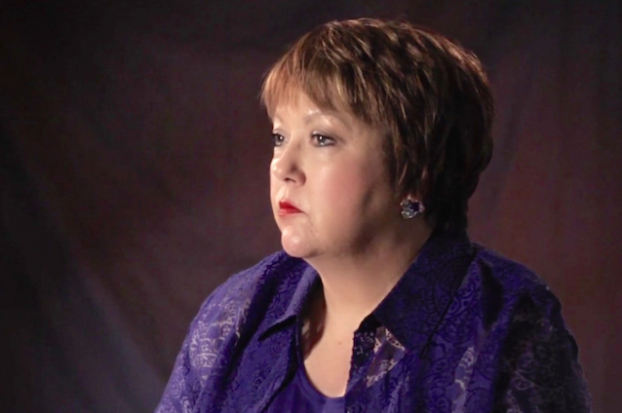
Speaking from her own experience she regrets, Debby Efurd counsels post-abortive women (Photo Courtesy of Author)
But there are other and bigger problems with remaining silent. Silence on the subject of abortion has helped perpetuate an American Holocaust for the estimated 60,000,000 (yes, million) babies aborted in the United States since 1973. As citizens in a civil society, we are each called to voice protest to injustice of any kind. Remaining silent about this American Holocaust can be deemed tacit approval of these acts.
You may think that staying silent keeps you from being involved in any conflict, but it’s quite the opposite. Silence is as much an active form of communication as talking. Many stay silent because they don’t want to do any harm by offending or criticizing someone—they want to be “politically correct.”
But when the injustice of abortion is allowed to continue for over a million women in this country every year, remaining silent perpetuates the evil. It allows future harm not only to the victims, but families, friends, communities and society.
The legislative chaos I witnessed in the Texas State Capitol in 2013 when the pro-life bill HB 2 was being fought over and ultimately passed turned the tide for me. All eyes were on Austin, Texas that summer. It was during that experience when I realized silence helps no one. I drew a line in the sand, stepped across and vowed to never be silenced again.
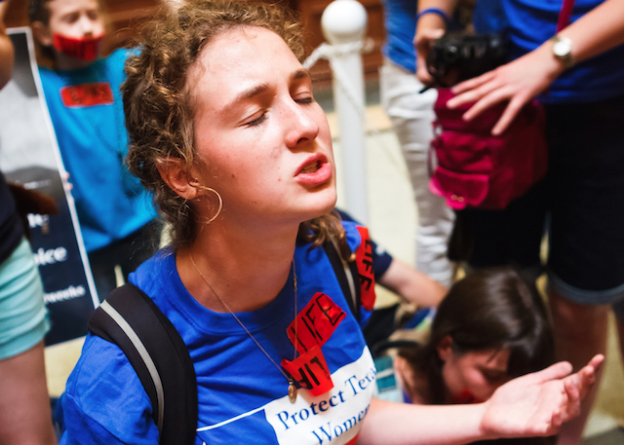
At the Texas Capitol on July 12, 2013, young women pray during the vote for pro-life law HB 2 (Photo: Beth Wilson / Flickr)
I believe Christians have a fundamental duty to work within the governmental/political system to limit evil and promote good. Shouldn’t social justice start in the womb? Here are but a few actions each of us can take:
Pray fervently for the ending of abortion in this country.
Pray specifically for the U.S. Supreme Court and those justices hearing upcoming cases (the first being on March 2, the case Whole Woman’s Health v. Hellerstedt).
Learn the truth about what happens during and after an abortion.
Share what you learn and act on it.
Become a listening ear to someone you know who has experienced the pain of abortion and point them to an abortion recovery ministry locally.
Become active in your local, state and federal election process and learn about the candidates, including from such groups as Susan B. Anthony List.
Cast your ballot at primaries, caucuses and general elections for pro-life candidates who have proven records. Remember, you are voting for the character of the candidate—not party politics, words or promises made.
I’ve said it before, but I’ll say it again: prayer is the most powerful and vital tool available to us.
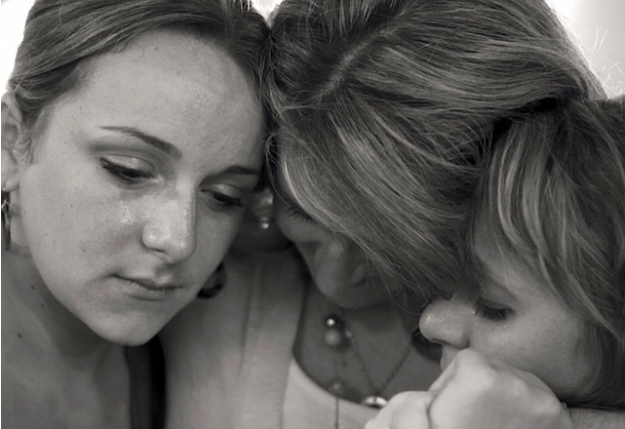
Speak up first in prayer and then in the public square, urges Debby Efurd (Photo: Geoff Meyer / Flickr)
In the nineteenth century, many remained silent about the horrors of slavery—until someone spoke up. In the twentieth century, many remained silent about the horrors of Nazism—until nations spoke out. Now, in the twenty-first century, many remain silent about the horrors of abortion—and, sadly, many Americans still sit idly by while the killing continues.
An incontrovertible fact remains. Whenever any of us sit passively silent about abortion, we are affirming what the media proclaims, what our government has condoned and what our culture believes: the child in the womb is less valuable than the rest of us.
In a representative democracy, we the people are responsible for which leaders we elect. I encourage you to pray, speak out and cast an informed vote—with a primary focus on the candidates’ real, tangible steps toward ending the injustice of abortion.
About Debby Efurd
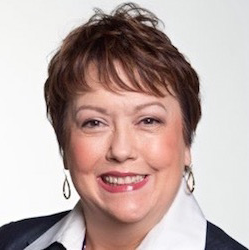
Debby Efurd serves as president of Dallas-based Initiative 180 and its program of recovery, Peace After the Storm. She earned a bachelor’s degree in counseling from Dallas Baptist University. Debby is the author of Go Tell It! (which released in 2015) and a blogger for Bound4LIFE International, a grassroots movement to pray for the ending of abortion, carry the spirit of adoption, and believe for revival and reformation.
You Say You Know the Facts about the Abortion Pill… But RU Sure?
It has now been 15 years since the U.S. approved the abortion pill, popularly known as RU-486, for consumer use.
Available in this country since September 2000, The Guttmacher Institute reports medical abortions (or chemical abortions) have grown more common—from 6 percent of all U.S. abortions in 2001 to 23 percent by 2011.
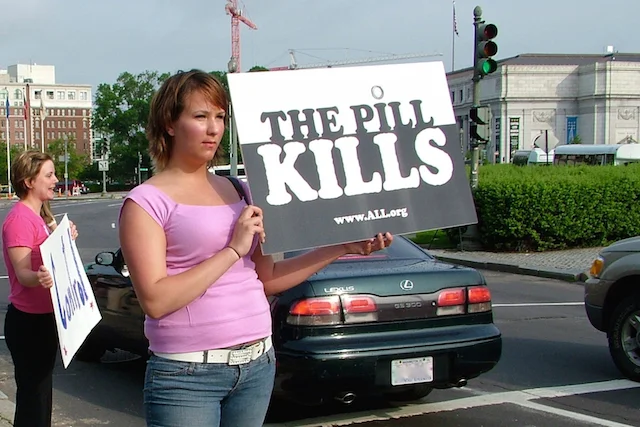
Photo: American Life League / Flickr
This alone should give us pause; are some praising the decline of abortion centers, while forgetting this increasingly common means of ending a pre-born child’s life?
As one involved in post-abortive counseling, the facts about the abortion pill greatly alarm me: how it came to be approved, what it does and its potential harm to women.
First, what is RU-486? Mifepristone is the abortion drug developed in the early 1980’s by French company Roussel-Uclaf. The sole purpose of RU-486, for which its sponsor sought U.S. government approval, was to stop a pre-born baby’s beating heart.
Early on, mifepristone was only 80 percent effective at inducing abortion, so a prostaglandin analog was added. It causes heavy bleeding, nausea, vomiting and painful uterine contractions. One of the major precautions before using this drug—listed clearly on its FDA warning label—is not to take it if you are over 7 weeks pregnant.
Photo: James Palinsad / Flickr
The pills do not work for approximately 5 percent of women who use RU-486, causing the women to return for surgical abortions—or, in some cases, to choose life for their child as occurred recently at a crisis pregnancy center. Promoters of the pill believe its use will help increase the number of doctors willing to perform abortions.
Which brings us to, how was this drug approved? The Clinton Administration overturned the ban on RU-486 in 1993 and the FDA (U.S. Food and Drug Administration) began an immediate fast track of the approval process.
The New York Times reported a complete history of the drug’s approval process in “Dangerous Medicine,” an investigation ending with serious concern over the drug’s uncontrolled clinical trials.
The FDA approved the drug using its “accelerated approval regulations,” created by Congress for drugs with higher risks that are better than current therapies for life-threatening illnesses like AIDS and cancer. Pregnancy, needless to say, is neither an illness nor inherently life-threatening.
Photo: Daniel Lobo / Flickr
Digging deeper into the details uncovers more misdeeds. The agency mandated a previously unapproved use for misoprostol, the second drug in the chemical abortion process—over the objections of the company that produced the drug. Further, the FDA approved RU-486 for use without safety directives, such as requiring an ultrasound to verify the age and location of the pregnancy.
Medical experts writing at the Elliot Institute review the flawed approval process in even greater depth, concluding: “RU-486 should be removed from the marketplace.”
But the abortion pill’s unsafe origin is not the whole story. What about the economics of RU-486 that cut against women’s health? Research has found that the abortion industry has often reduced the recommended dosage of mifepristone to 200 mg and dispensed the drug to women up to 9 weeks pregnant. Essentially: increase the volume of abortion procedures while decreasing standards of care.
Medical abortions are sold at twice the cost of a surgical abortion. Could this partly explain why Planned Parenthood abortion centers, starting in Iowa, are now using a “tele-med” process? This allows an off-site abortionist to prescribe the abortion pill to a female patient via a computer monitor.
For Sue Thayer, who worked at Planned Parenthood for 17 years, the introduction of webcam abortions was the last straw—causing her to leave the abortion giant and question their commitment to women’s health.
The determination to increase profits—or “excess revenues” to use the euphemism from Planned Parenthood annual reports—seems to be boundless.
Medical abortions are often presented as a less-invasive, more-natural procedure than surgical abortions. In truth, one cannot underestimate the emotional scarring. Women who abort medically experience the passage of their embryo firsthand and may see a recognizable body.
Though no long-term studies have yet been done, descriptions women give of encounters with their aborted children raise great concern. Women talk about seeing tiny fists, eyes—or seeing their aborted babies laying in the toilet bowl or swirling in the shower drain.
When symptoms of post-abortion trauma kick in, women who have had RU-486 abortions have more vivid memories and a greater sense of responsibility to deal with than those who underwent surgical abortions. In our own ministry, we have observed increased emotional trauma to those women who have had medical abortions.
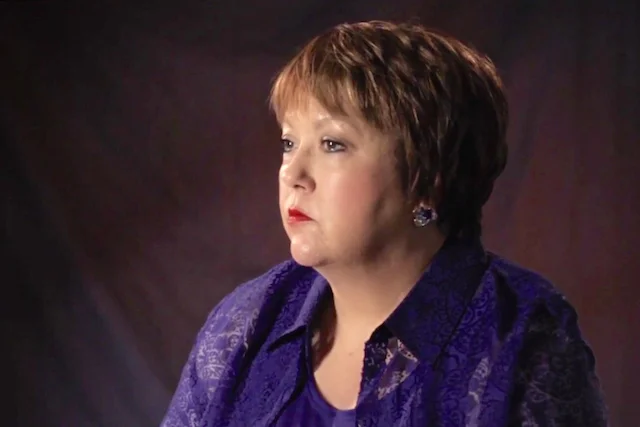
Speaking from her own experience she regrets, Debby Efurd counsels post-abortive women (Photo Courtesy of Author)
What we know about RU-486 is disturbing, but what we don’t know is even more alarming. Women’s physical and emotional well-being are at risk. One of the principal precepts of medical intervention under a physician’s care is “First, do no harm.”
However, the very act of abortion, whether surgical or medical, is to do harm to the baby. For women undergoing such procedures, what we know of the side effects following an abortion—medical, emotional and psychological—only increases our misgivings about abortion as more research is conducted.
Those of us in the counseling and medical communities should not be alone in seeing chemical abortions as a threat to women’s health and safety. The truth is, what we don’t know can hurt us.
Note: If you have recently started the RU-486 process within the last 48 hours, there is an effective process for reversing the abortion. Medical professionals are standing by at (877) 558-0333 or find more information at AbortionPillReversal.com.
About Debby Efurd
Debby Efurd serves as president of Dallas-based Initiative 180 and its program of recovery, Peace After the Storm. She earned a bachelor’s degree in counseling from Dallas Baptist University. Debby is the author of Go Tell It! (which released in 2015) and a blogger for Bound4LIFE International, a grassroots movement to pray for the ending of abortion, carry the spirit of adoption, and believe for revival and reformation.
Unraveling the 7 Fundamental Lies Behind Roe v. Wade
Posted by Guest Author on January 21, 2016
A recent special edition of TIME Magazine headlined ‘The Supreme Court Decisions That Changed America’ makes a surprising admission for the world’s most-read newsweekly: “Like abolition in the 1850s or the war in Vietnam in the 1960s, Roe v. Wade divided the U.S. into two bitterly opposed camps.”
This weekend’s March for Life reflects that reality, as hundreds of thousands demonstrate on behalf of pre-born lives despite winter storm conditions in Washington, DC (a storm already dubbed #SnowVWade on social media).
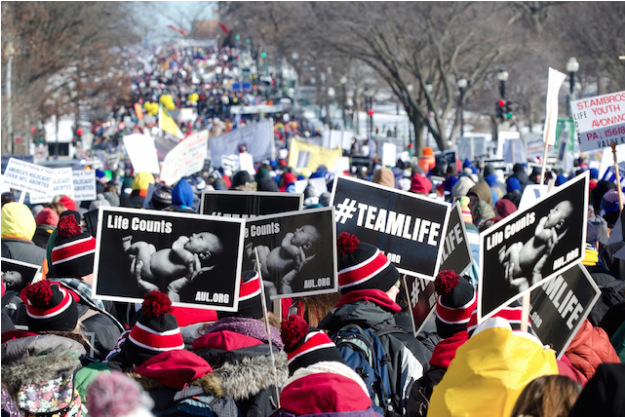
Despite bitter cold in 2014, hundreds of thousands marched for life in Washington, DC (Photo: Jeffrey Bruno /Flickr)
Roe v. Wade is the Supreme Court decision, along with its companion case Doe v. Bolton, that legalized ending a pre-born baby’s life—for any reason, at any stage of development. For the past 43 years, Roe v. Wade has been the “law of the land”… as some of our congressmen have stated many times during recent hearings investigating Planned Parenthood.
The court’s decision has seemed impenetrable and unbreakable—until now. Several pro-life legal challenges are currently before the nation’s highest court.
Though it received little attention when filed at the Supreme Court, one legal petition makes the case against Roe v. Wade with concise and compelling logic. The petition is from the state of South Dakota: a concurrent resolution passed by the State Legislature and delivered to the Supreme Court this past fall.
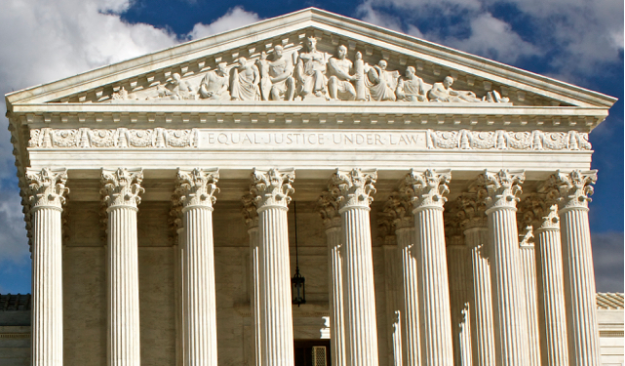
Photo: Matt Lockett / Bound4LIFE International
The South Dakota resolution lists seven “assumed facts” of the majority decision in Roe v. Wade, assertions now disproven by evidence from social science, medicine and law:
1. Roe v. Wade assumed that “when life began” was undeterminable, that the child is not a distinct person. Today, the scientific view is that life begins at conception.
As to legal rights, the 8th Circuit Court of Appeals (in the 2008 opinion Planned Parenthood v. Rounds) recognized the life in the womb as a “whole, separate, unique, living human being.”
2. Next, the maligned abortion decision assumed getting an abortion is merely a mother’s medical decision; in reality, it is “primarily a social question about her personal circumstances” states the South Dakota resolution which echoes many women’s stories.
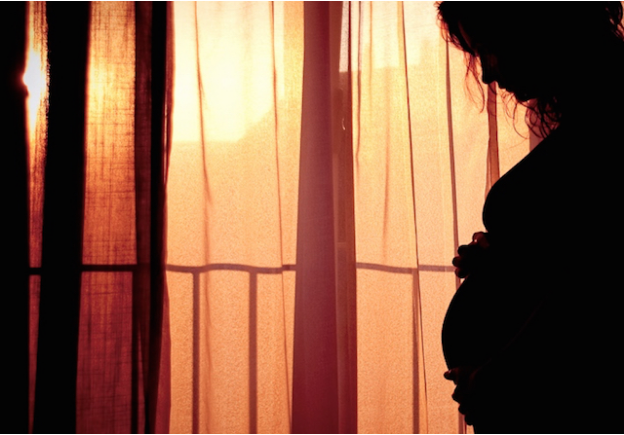
Photo: Stefan Pasch / Flickr
3. The high court also assumed: surely the woman and abortion provider would have a normal and healthy doctor-patient relationship? Yet decades of experience with dehumanizing abortion practices reveal that no such relationship exists between abortionists and their clients.
4. The fourth assumed fact is that abortion consent would be informed and voluntary. While some states mandate abortion centers disclose all of the risks of the procedure, informed consent has been the exception rather than the rule.
The directors of one anti-trafficking ministry note that abortion and violence against pregnant women are linked, a trend also reflected in other nations’ coercive forced-abortion policies.

Photo: Francisco Osorio / Flickr
5. In Roe v. Wade, the court emphasized that motherhood was stressful and a burden. Whether a parent through one’s own pregnancy, adoption or foster care, no one can deny parenting involves sacrifice.
Yet the court failed to take into account the loss and emotional wounding following an abortion, which research shows many women struggle with for decades. Further, because every state has enacted Safe Haven laws, the long-term costs and sacrifices of parenting can be alleviated through adoption.
6. The sixth assumed fact is that a mother carried mere “potential.” However, medical science recognizes how a mother bonds with her child still in the womb, as noted by the world’s leading source of health care information.

Image Courtesy of Pexels
7. Finally, Roe v. Wade assumed that abortion is a safe process. Four decades later, reams of medical evidence show that abortion carries both immediate and long-term health risks for women—including increased risk of suicidal thoughts and mental health issues.
The seven fallacies above are in no way comprehensive; one could point to other ways due process was thwarted in this case, as Clark Forsythe does in his book Abuse of Discretionbased on 20 years of research.
“There was no factual record on abortion or its implications [presented in Roe v. Wade],” says Forsythe. “Neither the attorneys nor the justices had any factual record on which to rely to ask or answer basic questions, like the number of abortions, the medical implications, the risks, the legal history [or] the purpose of abortion laws.”
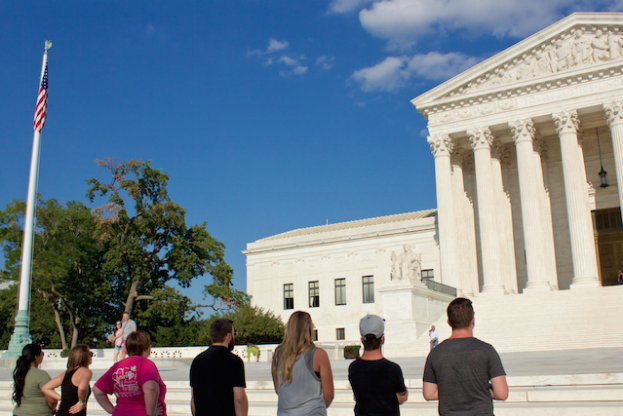
Team members with Bound4LIFE pray for wisdom and justice at the Supreme Court (Photo: Josh Shepherd)
Where this Supreme Court decision has brought our nation should break our hearts—resulting in the loss of more than 58 million innocent, defenseless lives.
It does mine. And it gives me continual resolve to advocate, pray and speak out for this unjust case to be overturned.
About Justice Woods

Justice Woods is a college student, writer and graduate of Hilltop Internship at the Justice House of Prayer DC. Currently studying to work in the legal arena, he lives in Fort Worth, Texas.